How Curtains Can Make a Room Look Bigger
A room doesn’t always need more square metres to feel bigger. Sometimes, a few thoughtful interior choices can change how spacious it looks and feels.
Curtains are one of those details. The right fabric, colour, length and installation can make a room appear taller, brighter and more open. On the other hand, curtains that are too short, too heavy or poorly positioned can make a space feel smaller than it really is.
Whether you’re styling a compact bedroom, refreshing a living room or furnishing a new home in Melbourne, choosing curtains with the room’s proportions in mind can make a noticeable difference.
Here’s how to get it right.
1. Hang Curtains Higher to Make Ceilings Look Taller
One of the simplest ways to create the impression of height is to install curtains above the window frame rather than directly across the top of the window.
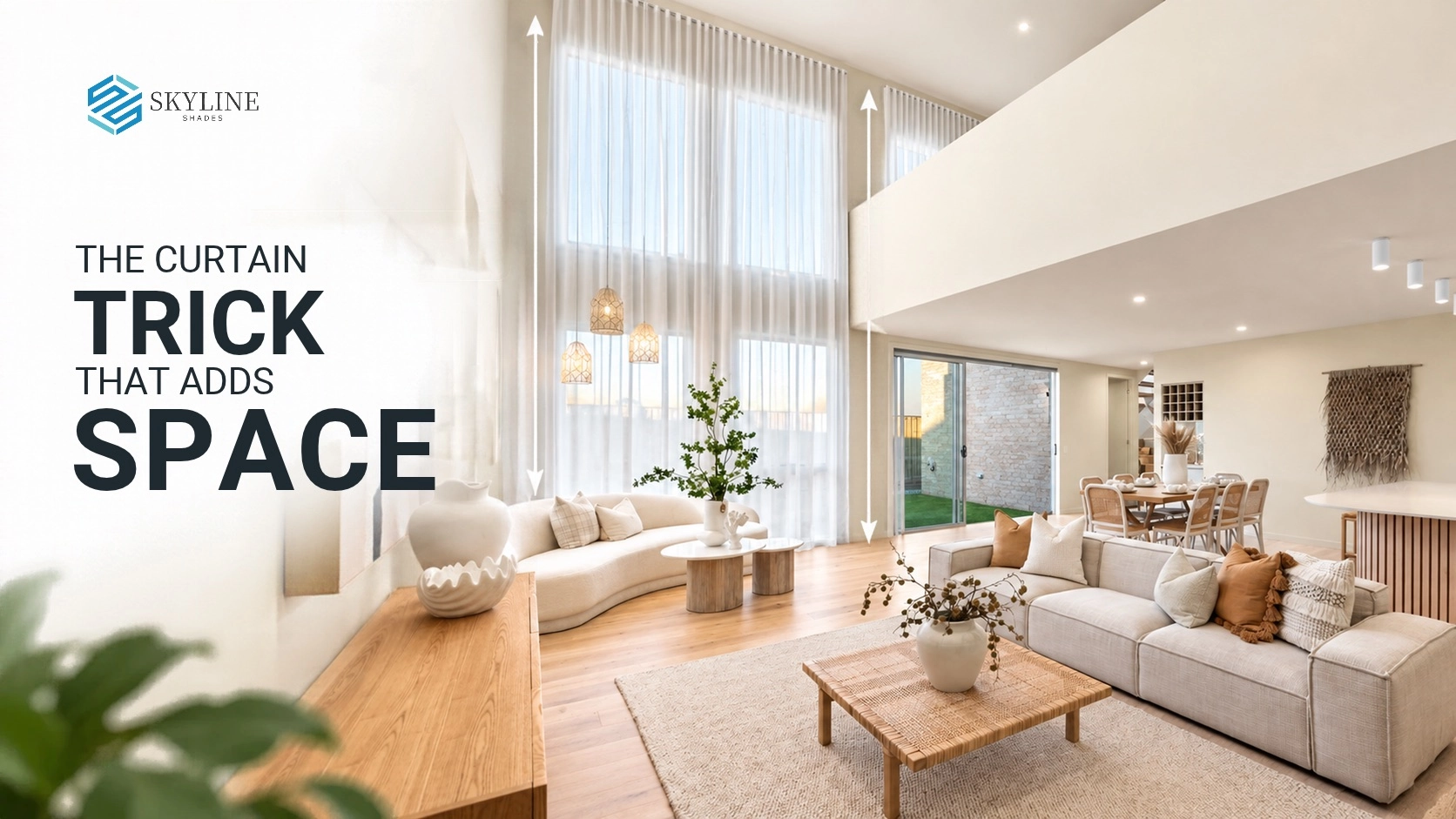
When curtains extend closer to the ceiling, they draw the eye upwards and create a stronger sense of vertical space. This can be particularly effective in rooms with standard-height ceilings or relatively small windows.
For a more streamlined look, consider a ceiling-mounted curtain track. It creates a clean visual line and allows the fabric to flow from the ceiling towards the floor.
Design tip: Before installation, consider the ceiling height, window position and curtain proportions. Hanging curtains higher can improve the visual effect, but the placement should still work with the room’s architecture.
2. Choose Full-Length Curtains
Short curtains can visually divide a wall, making the window feel smaller and the room less cohesive.
Full-length curtains create a continuous vertical line from the top of the window or ceiling towards the floor. This helps the space feel taller and gives the interior a more finished appearance.
For most living rooms and bedrooms, floor-length curtains are worth considering. The exact length depends on your preferred finish, flooring, window placement and practical requirements.
Avoid allowing excessive fabric to bunch heavily on the floor in a small room if your goal is a clean, uncluttered appearance.
3. Use Light Colours to Keep the Room Feeling Open
Curtain colour influences how a room feels because window furnishings occupy a significant portion of the wall.
Light, neutral shades such as warm white, ivory, beige and soft grey can help maintain a bright, open atmosphere. They also work well with a variety of wall colours, flooring materials and furniture styles.
This doesn’t mean dark curtains are unsuitable for smaller rooms. Deep colours can create contrast and character when used thoughtfully. However, if your main objective is to make a compact space feel lighter, curtains that coordinate with the walls can create a more continuous visual effect.
Design tip: Instead of choosing curtain colour in isolation, compare fabric samples against your wall paint, flooring and existing furniture. Natural and artificial lighting can change how a fabric appears throughout the day.
4. Choose Fabrics That Let Natural Light In
Natural light can make a room feel more open and inviting. Heavy curtains that remain closed throughout the day may reduce the amount of daylight entering the room, making it feel darker and more enclosed.
Sheer curtains are a useful option when you want to soften direct daylight while maintaining a light, airy appearance. They can work particularly well in living rooms, dining areas and spaces where you want to preserve a sense of openness.
If you need greater privacy or light control, you don’t have to compromise on style. Layering sheer curtains with blockout curtains gives you flexibility throughout the day. You can use the sheers when you want filtered daylight and close the blockout curtains when you need more privacy or darkness.
The key is to select a combination that suits the room’s natural light, orientation and everyday use.
5. Keep Curtain Patterns and Textures Balanced
Bold patterns and heavy textures can become a strong focal point. While that can look impressive in a larger room, too many competing visual details may make a smaller space feel busy.
If you’re working with a compact room, consider plain fabrics, subtle textures or understated patterns. These can complement the interior without drawing too much attention away from the room itself.
For a more spacious visual effect, coordinate the curtain design with other elements, such as cushions, rugs and upholstery, rather than introducing several contrasting patterns.
This doesn’t mean every element needs to match. The goal is to create a balanced interior where the curtains feel like a natural part of the overall design.
6. Make the Most of the Space Around Your Windows
The way curtains sit when they’re open can also influence how spacious a room appears.
If the curtains cover a large portion of the glass when drawn back, they can make the window seem narrower and reduce the visible daylight entering the room. Where the window layout allows, consider extending the track beyond the window frame so the curtains can sit more neatly to the sides.
This approach can be particularly useful for wide windows and sliding doors.
Before selecting your curtain track, consider the available wall space, nearby furniture, window handles and door access. The right arrangement can improve both the appearance and functionality of the room.
7. Consider Layered Window Furnishings
In some interiors, combining different window furnishings can offer a better balance of style and practicality than relying on a single treatment.
For example, sheer curtains can soften daylight, while blockout curtains provide greater light control when required. In other rooms, a simple roller blind may be a better choice because of its streamlined appearance and compact profile.
The best solution depends on the room’s size, window dimensions, privacy requirements and design style.
Avoid adding layers simply for decoration. In a smaller room, a thoughtfully selected window treatment can create a cleaner result than an unnecessarily complicated arrangement.
Common Curtain Mistakes That Can Make a Room Feel Smaller
Before choosing curtains, watch out for these common mistakes:
-
Hanging curtains too low: This can make the ceiling appear shorter and disrupt the room’s vertical lines.
-
Choosing curtains that are too short: Curtains that stop well above the floor can visually break up the wall.
-
Using colours that create too much contrast: Strong contrast isn’t always a problem, but it can make a small room feel more visually divided.
-
Blocking too much of the window: Poor track placement can reduce the visible glass area when curtains are open.
-
Ignoring the fabric’s weight: Heavy fabrics and bulky arrangements may overwhelm a compact space.
-
Choosing appearance over function: Curtains should suit the room’s light, privacy and practical requirements as well as its style.
A few adjustments to curtain placement and fabric selection can help create a more balanced interior without changing the room’s actual dimensions.
Choosing the Right Curtains for Your Melbourne Home
Making a room feel bigger isn’t about following one strict design rule. It’s about understanding how light, colour, fabric and proportions work together.
For some rooms, full-length curtains installed closer to the ceiling will create the desired effect. For others, sheer fabrics, coordinated colours or a simpler window treatment may be more appropriate.
At Skyline Shades, we help homeowners explore custom curtain and window furnishing options suited to their windows, interiors and everyday needs. From elegant sheers to practical blockout curtains, the right solution starts with understanding your space.
Based in Cranbourne West, Skyline Shades serves Melbourne and surrounding areas, offering personalised consultations to help you compare suitable options.
Planning to refresh a small room? Contact Skyline Shades to discuss curtain styles, fabrics and installation options that complement your home.
Frequently asked questions
1. Do curtains make a small room look bigger?
Yes. Curtains can make a room appear taller and more open when they’re chosen and installed thoughtfully. Full-length curtains, lighter colours and suitable placement can help create a more continuous visual effect.
2. Should curtains be hung close to the ceiling?
Hanging curtains closer to the ceiling can draw the eye upwards and make the walls appear taller. The ideal position depends on the ceiling height, window placement and overall room design.
3. Are sheer curtains better for small rooms?
Sheer curtains can help small rooms feel lighter because they soften daylight without completely blocking it. However, privacy needs, window orientation and the room’s function should also guide your choice.
4. What colour curtains make a room look bigger?
Warm white, ivory, beige and soft grey can help maintain a bright, open appearance. Choosing a shade that coordinates with the walls may also create a more continuous visual effect.
5. Are long curtains better than short curtains?
Full-length curtains often create a taller, more cohesive appearance because they extend the visual line of the wall. Their length should still suit the window, flooring and practical needs of the room.