How to Protect Your Alfresco From Sun, Wind and Rain
An alfresco area is one of the best features of an Australian home. Whether you use it for weekend barbecues, family dinners, morning coffee or relaxing outdoors, it creates a comfortable connection between indoor and outdoor living.
However, Melbourne’s changing weather can make it difficult to enjoy your alfresco throughout the year. Strong afternoon sun can make the space uncomfortably hot, wind can blow dust and leaves into your seating area, and unexpected rain can interrupt outdoor gatherings.
The good news is that the right combination of outdoor blinds, awnings, shutters and thoughtful design can help protect your alfresco and make it more usable in different weather conditions.
In this guide, we explore practical ways to protect your alfresco from sun, wind and rain while maintaining comfort, style and functionality.
1. Install Outdoor Blinds for Flexible Weather Protection
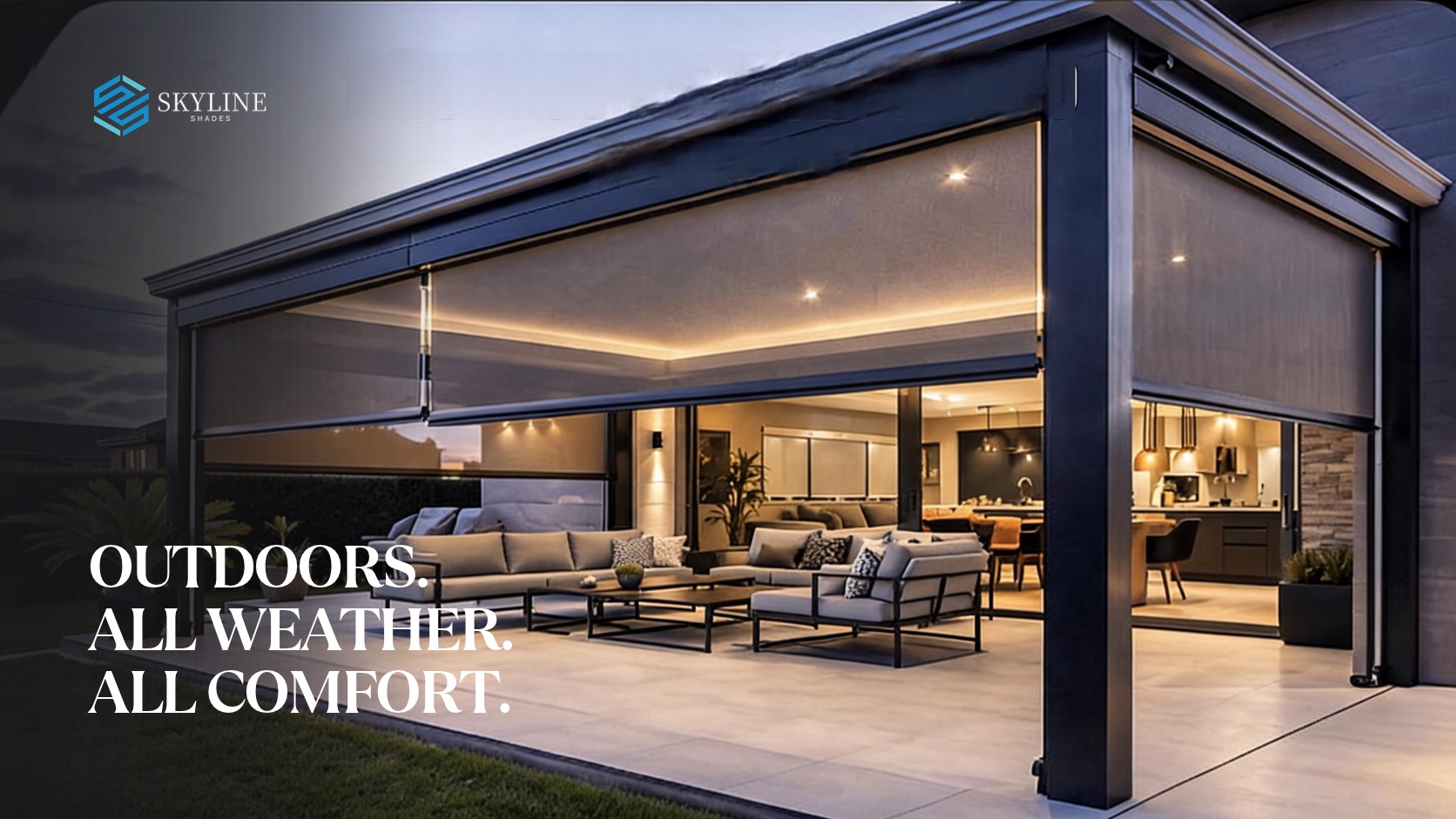
Outdoor blinds are one of the most practical solutions for improving an exposed alfresco area. They help control sunlight, reduce wind exposure and provide an additional barrier against light rain, depending on the blind material and installation.
Unlike permanent walls, outdoor blinds allow you to adjust your space according to the weather.
Benefits of outdoor blinds include:
-
Reducing direct sunlight and glare.
-
Helping create a more comfortable outdoor seating area.
-
Limiting wind-blown dust, leaves and debris.
-
Providing additional privacy from neighbouring properties.
-
Allowing you to open the space when the weather is pleasant.
For Melbourne homes, outdoor blinds can be particularly useful when the weather changes throughout the day. Choose a suitable fabric and operating system based on your alfresco’s orientation, exposure and intended use.
Keep in mind that not every outdoor blind is designed for heavy rain or strong winds. Check the product specifications and recommended operating conditions before choosing a solution.
2. Reduce Harsh Sunlight With External Awnings
Direct sunlight can quickly heat an alfresco area, especially during summer afternoons. It can also create glare on outdoor dining tables, televisions and other surfaces.
External awnings provide shade by blocking sunlight before it reaches the covered area. Depending on their design and positioning, they can help reduce heat exposure and improve outdoor comfort.
When choosing an awning, consider:
-
Sun direction: West-facing areas may receive intense afternoon sun, while north-facing spaces have different seasonal shading requirements.
-
Coverage: Select a size that provides useful shade over your seating or dining area.
-
Material: Choose outdoor-rated materials suited to your local climate.
-
Operation: Retractable or motorised options can make adjusting shade more convenient.
An appropriately positioned awning can make your alfresco more comfortable without permanently enclosing the space.
3. Protect Your Alfresco From Wind
Wind can make even a beautifully designed outdoor area uncomfortable. It can scatter lightweight furniture, disturb outdoor meals and carry dust into your home.
The most effective approach depends on the direction and strength of the prevailing wind.
Here are a few ways to reduce wind exposure:
-
Install outdoor blinds along exposed sides.
-
Consider suitable external shutters where a more structured barrier is preferred.
-
Use existing walls, privacy screens or landscaping to help shelter the area.
-
Secure outdoor furniture and lightweight accessories.
-
Keep blinds within the manufacturer’s recommended wind limits.
For homeowners who want a more enclosed outdoor space, a combination of blinds and fixed screening may provide greater flexibility than relying on a single product.
However, wind protection should never be treated as a guarantee against severe weather. Outdoor blinds and awnings have specific operating limits, and they should be retracted or secured as instructed during strong winds or storms.
4. Manage Rain With the Right Outdoor Covering
Rain is another common reason alfresco areas go unused. Even a covered patio can become uncomfortable when rain blows in from the sides.
Start by assessing where the water enters your space. Roof coverage, wind direction, drainage and the openness of the sides all affect how well an alfresco handles wet weather.
To improve protection:
-
Check that your roof provides sufficient coverage for the seating and dining areas.
-
Consider outdoor blinds designed for the level of rain exposure you expect.
-
Ensure gutters and downpipes are clear and functioning properly.
-
Check that the floor slopes appropriately towards suitable drainage points.
-
Keep cushions and other absorbent furnishings protected when not in use.
If rain frequently enters from one side, a suitable outdoor blind may help reduce water ingress. However, standard outdoor blinds are not necessarily waterproof enclosures, and wind-driven rain may still enter around edges or through certain fabrics.
For better long-term performance, choose products designed for your specific installation rather than assuming all outdoor coverings offer the same protection.
5. Consider Outdoor Shutters for a More Structured Look
Outdoor shutters are worth considering if you want a defined, architectural finish for your alfresco.
Depending on their design, shutters can help manage sunlight, provide privacy and reduce exposure to wind. Adjustable louvres also allow you to control how much light and airflow enter the space.
They may be suitable for homeowners who prefer a more permanent-looking solution than retractable blinds.
Before installation, consider the amount of ventilation you want, the direction of sunlight, available fixing points and the level of weather protection required.
Shutters are not automatically rainproof or stormproof. Their performance depends on the product, construction and installation, so confirm the specifications before making a decision.
6. Make Your Alfresco More Comfortable With Motorisation
If you regularly adjust your outdoor blinds or awnings, motorisation can make everyday use more convenient.
Motorised systems allow you to raise or lower compatible products using a remote control or other supported control options. Some systems may also integrate with smart-home technology, depending on the selected equipment.
This can be particularly useful when the sun moves across your outdoor area during the day or when you want to adjust your setup before sitting down for a meal.
When considering motorisation, check:
-
Whether the product is compatible with your preferred control system.
-
Whether power and wiring requirements can be accommodated.
-
Whether wind or sun sensors are supported.
-
What safety features and operating limits apply.
Automation can improve convenience, but it should not replace checking weather conditions or following the manufacturer’s instructions.
7. Choose Materials That Suit Melbourne’s Changing Weather
Melbourne homeowners need to consider more than summer heat. Outdoor furnishings can also face cool temperatures, moisture, UV exposure and changing wind conditions.
Look for materials specifically designed for outdoor use, with suitable resistance to sunlight, moisture and everyday wear.
Regular maintenance also helps extend the life of your investment.
A simple alfresco maintenance routine includes:
-
Cleaning blinds and shutters according to manufacturer guidance.
-
Checking tracks, brackets, fasteners and operating mechanisms.
-
Removing dirt and debris from drainage areas.
-
Allowing damp furnishings to dry properly.
-
Inspecting awning fabric for signs of wear or damage.
-
Arranging repairs when components stop operating correctly.
Choosing the right product from the beginning and maintaining it consistently can help keep your alfresco functional and attractive for longer.
8. Combine Solutions for Better All-Round Protection
In many homes, one product alone will not address every weather challenge. A combination of outdoor coverings may provide a more practical result.
For example, an alfresco exposed to afternoon sun and crosswinds might benefit from an external awning for overhead shade and outdoor blinds on the most exposed sides.
A more sheltered space may need only a suitable blind to reduce glare and improve privacy.
The best combination depends on your home’s layout, roof coverage, sun direction, wind exposure, budget and how you use the area.
Before choosing products, assess the space during different times of the day. Identify where sunlight enters, which direction the wind comes from and where rain tends to collect or blow in.
This makes it easier to select a solution that addresses your actual needs instead of investing in features you may rarely use.
Final Thoughts
Protecting your alfresco from sun, wind and rain is about making outdoor living more comfortable and practical throughout the year.
Outdoor blinds can provide flexible side protection, external awnings help manage direct sunlight, and shutters offer a more structured way to control light and privacy. With suitable materials, careful installation and regular maintenance, these solutions can help you get more value from your outdoor space.
The key is to choose products that suit your home’s layout and Melbourne’s changing weather rather than relying on a one-size-fits-all solution.
Looking to make your alfresco more comfortable? Explore the outdoor blind, awning and shutter options available from Skyline Shades and find a solution that suits your home, lifestyle and weather exposure.
Frequently Asked Questions
1. What is the best way to protect an alfresco from the sun?
External awnings and suitable outdoor blinds can help reduce direct sunlight and glare. The best option depends on your alfresco’s orientation, roof coverage and the amount of shade required.
2. Do outdoor blinds protect an alfresco from rain?
Some outdoor blinds help reduce rain entering from the sides, depending on their material and installation. However, not all blinds are waterproof, and wind-driven rain may still enter around the edges.
3. How can I reduce wind in my alfresco area?
Outdoor blinds, suitable shutters and privacy screens can help reduce wind exposure. Select products designed for the expected conditions and follow their operating limits during strong winds.
4. Are motorised outdoor blinds worth considering?
Motorised outdoor blinds can make adjusting shade, privacy and airflow more convenient. Compatibility, power requirements, operating limits and any smart-home features should be checked before installation.
5. Can I use my alfresco throughout the year in Melbourne?
Yes, the right combination of overhead shade, suitable outdoor blinds, weather-resistant materials and effective drainage can help make an alfresco more comfortable across different seasons. Protection will still depend on the design and severity of the weather.